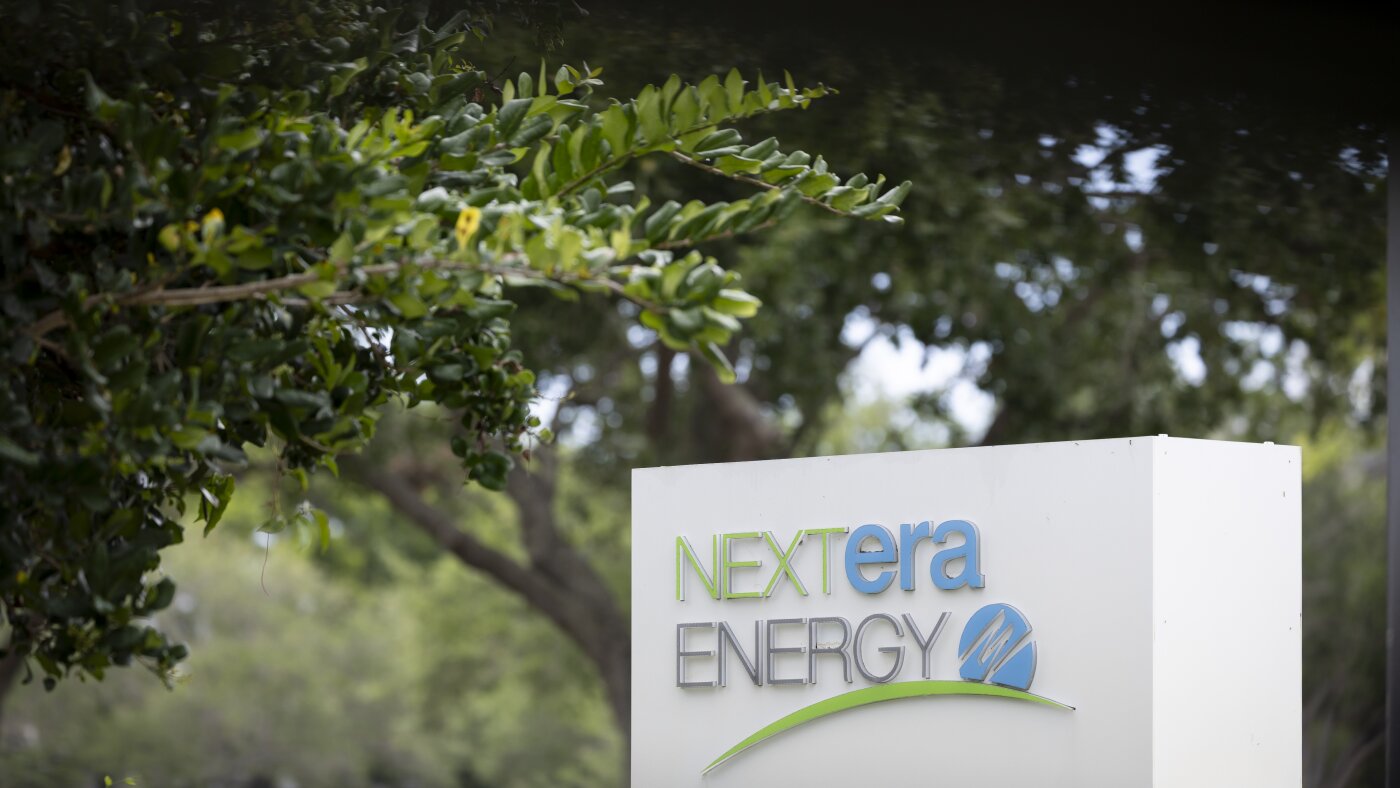
The platform delivers financial news and analysis covering earnings performance and sector rotation. NextEra Energy has announced plans to acquire Dominion Energy in a move that would create the largest electricity producer in the United States. The proposed merger, which could reshape the power sector, is being framed by both companies as a step toward improving long-term affordability for customers while accelerating the shift toward cleaner energy sources.
Live News
NextEra-Dominion Merger: What It Means for Electricity AffordabilityObserving correlations between markets can reveal hidden opportunities. For example, energy price shifts may precede changes in industrial equities, providing actionable insight.- Scale and Market Position: The combined entity would become the largest electricity producer in the U.S., with a diversified mix of renewable and conventional generation assets spanning multiple regions.
- Affordability Claims: Both companies argue that the merger would lower operating costs through economies of scale, potentially stabilizing or reducing electricity bills over time — a key selling point as inflation remains a concern for many households.
- Renewable Energy Synergy: NextEra’s strong track record in wind, solar, and battery projects could accelerate Dominion’s decarbonization goals, aligning with federal clean energy incentives and state-level renewable portfolio standards.
- Regulatory Hurdles: The merger faces a lengthy approval process, with scrutiny from federal antitrust authorities and state utility commissions. Past large-scale utility mergers have sometimes resulted in conditions requiring rate credits or investment commitments.
- Customer Impact: Residential and commercial customers in Dominion’s service territories may see changes in rate structures, grid reliability investments, and the pace of renewable additions, though the exact outcome remains uncertain pending regulatory outcomes.
NextEra-Dominion Merger: What It Means for Electricity AffordabilityReal-time monitoring allows investors to identify anomalies quickly. Unusual price movements or volumes can indicate opportunities or risks before they become apparent.Analytical platforms increasingly offer customization options. Investors can filter data, set alerts, and create dashboards that align with their strategy and risk appetite.NextEra-Dominion Merger: What It Means for Electricity AffordabilityCross-asset analysis can guide hedging strategies. Understanding inter-market relationships mitigates risk exposure.
Key Highlights
NextEra-Dominion Merger: What It Means for Electricity AffordabilityReal-time data can reveal early signals in volatile markets. Quick action may yield better outcomes, particularly for short-term positions.NextEra Energy, a Florida-based leader in renewable energy, recently disclosed its intention to acquire Dominion Energy, a major regulated utility operating across several states. If completed, the combination would form the nation’s largest electricity producer by generation capacity, surpassing current industry leaders. The deal comes amid rising electricity demand driven by data centers, electrification, and industrial reshoring, while utilities face pressure to keep rates affordable for households and businesses.
Neither company has disclosed detailed financial terms publicly, but the acquisition is expected to involve a mix of cash, stock, and assumed debt. Regulatory approvals from federal and state authorities will be required, and the timeline to close remains uncertain, with analysts pointing to potential antitrust scrutiny. NextEra’s expertise in wind, solar, and battery storage could help modernize Dominion’s generation fleet, while Dominion’s extensive regulated utility base would offer NextEra stable, long-term cash flows. The merger’s success, however, will hinge on convincing regulators that the consolidation benefits customers — a key concern given past utility mergers that led to rate hikes or service deterioration.
In a statement, NextEra’s CEO emphasized the potential for “cost efficiencies and scale that can be passed on to consumers,” while Dominion’s leadership highlighted the “shared vision of a reliable, affordable, and clean energy future.” The companies plan to submit applications to the Federal Energy Regulatory Commission and relevant state commissions in the coming months.
NextEra-Dominion Merger: What It Means for Electricity AffordabilityPredictive analytics are increasingly part of traders’ toolkits. By forecasting potential movements, investors can plan entry and exit strategies more systematically.The increasing availability of analytical tools has made it easier for individuals to participate in financial markets. However, understanding how to interpret the data remains a critical skill.NextEra-Dominion Merger: What It Means for Electricity AffordabilityAnalytical tools are only effective when paired with understanding. Knowledge of market mechanics ensures better interpretation of data.
Expert Insights
NextEra-Dominion Merger: What It Means for Electricity AffordabilitySeasonal and cyclical patterns remain relevant for certain asset classes. Professionals factor in recurring trends, such as commodity harvest cycles or fiscal year reporting periods, to optimize entry points and mitigate timing risk.From an investment perspective, the proposed acquisition represents a significant bet on the continued growth of the U.S. power sector and the integration of renewables at scale. Analysts suggest that if the merger receives approval, it could set a precedent for further consolidation in an industry where fragmented ownership of generation assets is common.
However, the deal also carries notable risks. The sheer size of the combined company may attract heightened regulatory oversight, and any conditions imposed could limit the expected cost synergies. Moreover, integration of two large, distinct corporate cultures — one heavily focused on renewable development, the other on regulated utility operations — may prove challenging.
For investors, the outcome of this merger could influence valuations across the utility sector. A successful combination might encourage other large renewable developers to pursue acquisitions of regulated utilities, while a rejection could signal that regulators are wary of further concentration. The cautious market response in recent days — with both stocks experiencing moderate volatility — reflects the uncertainty around approval odds and the potential dilution of existing shareholder value.
Ultimately, the merger’s ability to deliver on its affordability promise will depend on execution, regulatory conditions, and the trajectory of energy commodity prices. As the review process unfolds, stakeholders — from regulators to customers to shareholders — will be watching closely to see whether this historic consolidation truly benefits the millions of Americans who depend on reliable, affordable electricity.
NextEra-Dominion Merger: What It Means for Electricity AffordabilityReal-time data can reveal early signals in volatile markets. Quick action may yield better outcomes, particularly for short-term positions.Technical analysis can be enhanced by layering multiple indicators together. For example, combining moving averages with momentum oscillators often provides clearer signals than relying on a single tool. This approach can help confirm trends and reduce false signals in volatile markets.NextEra-Dominion Merger: What It Means for Electricity AffordabilityThe use of multiple reference points can enhance market predictions. Investors often track futures, indices, and correlated commodities to gain a more holistic perspective. This multi-layered approach provides early indications of potential price movements and improves confidence in decision-making.